Title

Sri Lanka: Disaster Risk Reduction through Climate Change Adaptation in Aranayake

Armenia: Local solutions for waste water management in Parakar village

Country
Summary

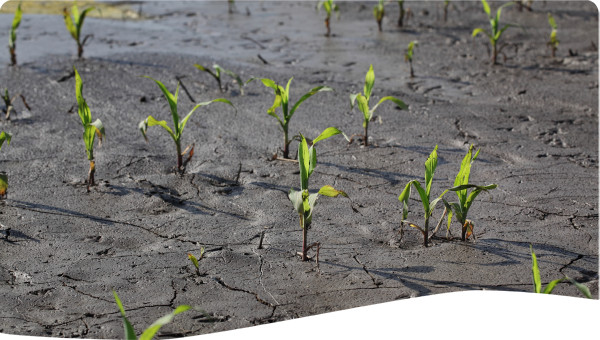
Aranayake, a secluded agricultural area known mainly for tea and spice cultivation, came to the limelight for tragic reasons with the Samasara landslide of May 2015. Caused partly due to climate change and partly due to anthropogenic influences, the landslide was a result of 6 days of constant high intensity rains. The incident also caused the highest number of casualties ever recorded in a Sri Lankan landslide.

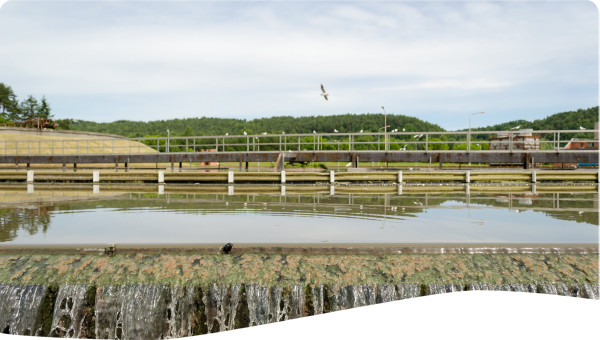
In the village of Parakar, untreated wastewater contaminated agricultural lands, jeopardised food safety and posed severe health risks. In 2010, the Parakar community supported by partners from the Country Water Partnerships of Armenia initiated and developed a demonstration pilot project for domestic wastewater treatment. Particular attention was given to community involvement. This case illustrates the value of small scale solutions.

Related IWRM Tools
Keywords
Climate Change Floods and Droughts Maha Oya River
Food and Nutrition Water Pollution Urban/WASH
Lessons Learned

This intervention addressed a real issue impacting the lives of communities in Sri Lanka’s Central Province. The complexity of this disaster has highlighted the need for operationalizing SDGs in future activities and moving from disaster relief to disaster risk reduction.

Consensus measures were taken to improve soil conservation in relation to tea smallholdings and reforestation which induced strong possibility of another landslide. Engaging community helps to identify the important form of Disaster Risk Reduction – a participatory model supported by local.

In a scenario where DRR is of critical importance, schoolchildren can be the most important conduit of DRR information. A non-supportive environment for ecosystem protection is caused by a school system, which does little to foster encounters with ground conditions.

Schools that received RWH tanks are expected to use this for maintenance of school attendance especially for girl children. Menstrual Hygiene Management (MHM) calls for properly maintained, preferably girl friendly toilets.

In case of the small villages’ issues being neglected by the big water service investors, alternative initiatives are appropriate to consider.

Similar to other IWRM cases, local and small scale solutions proved to be one of the best alternatives in this case.

There are possibilities to incorporate integrated aspects of IWRM (e.g waste water service, improvement of condition for irrigation system and reduced degradation of community farmlands as well as public health considerations).

Community involvement is needed to make reasonable technical and financial plans. At the same time, there is a need to provide relevant information about health and environmental concerns in advance; to ensure responsive and responsible participation climate in the community.

Remove from the list remove remove